Coffee lover? How to keep a bright smile without giving it up
Practical habits, whitening options and what actually works on coffee and tea stains, from our cosmetic team.
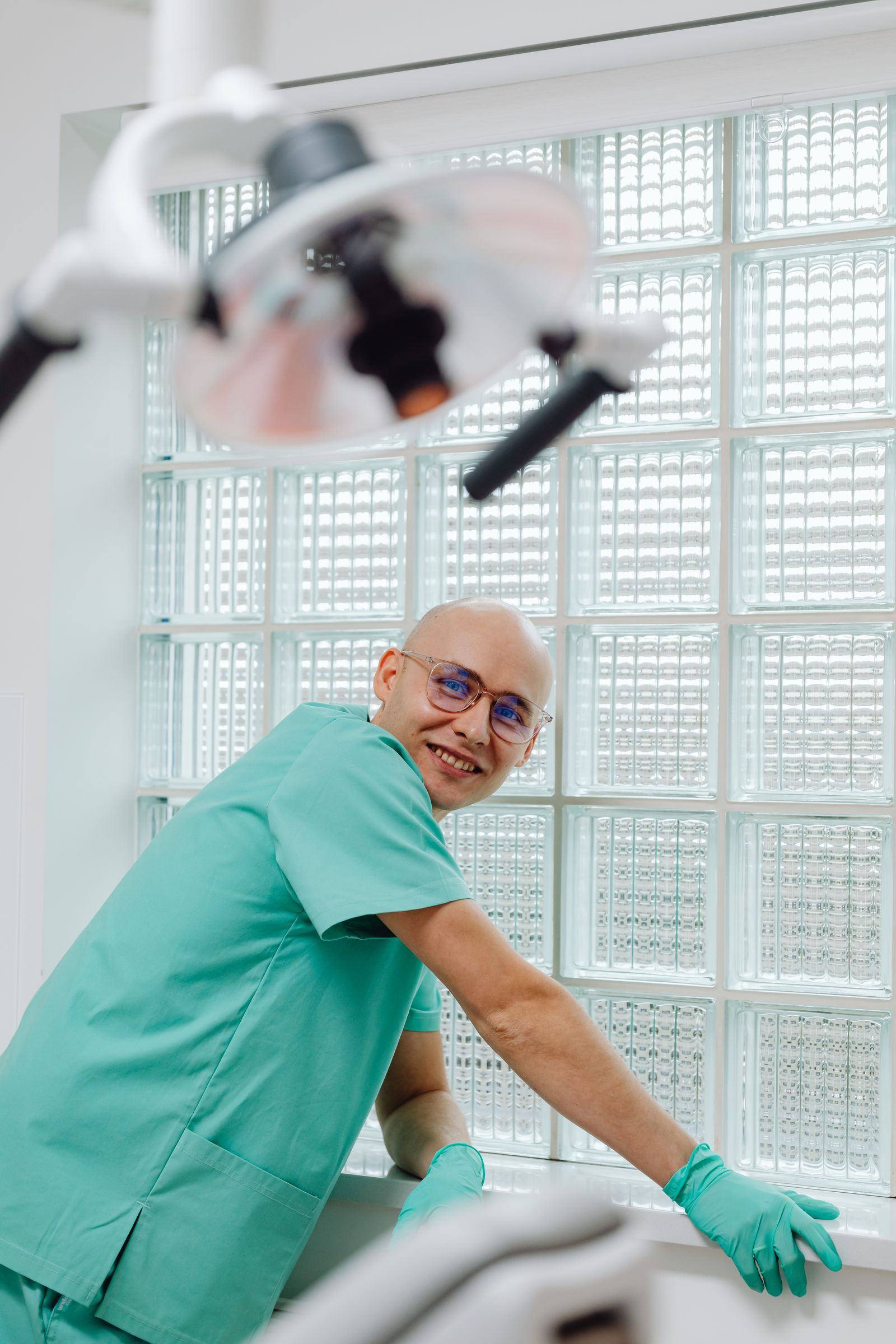 Dr. Ethan Kowalczyk, DDSCosmetic dentist and Invisalign provider
Columbus runs on coffee, and I am not about to tell you to give it up. I drink two cups before my first patient. But coffee, tea, red wine and cola are among the most common reasons people ask about whitening. The good news is that a few small habits can slow staining dramatically, and professional whitening can reverse most of what has already built up.
Why coffee stains teeth
Enamel looks smooth, but under a microscope it is full of tiny pores. Coffee contains dark pigments called tannins and chromogens that settle into those pores. Coffee is also mildly acidic, which temporarily softens enamel and makes it easier for pigments to stick.
Over years, those pigments move deeper into the tooth, which is why stains that once polished off at a cleaning start to hang around.
Everyday habits that make a real difference
- Drink it in a sitting rather than sipping for three hours. Less contact time means less staining.
- Rinse with water right after your cup. It washes pigment and acid away.
- Wait 30 minutes before brushing, so you are not scrubbing softened enamel.
- Try a straw for iced coffee to reduce contact with front teeth.
- Use a whitening toothpaste with a mild polishing agent two or three times a week, not daily.
- Keep your six-month cleanings. A professional polish removes surface stains before they set.
Store-bought versus professional whitening
Whitening strips can help with mild surface staining, but they contain lower concentrations of peroxide and do not fit every tooth evenly. People often end up with bright centers and darker edges, or sore gums from gel that leaks.
Professional whitening uses a stronger gel, applied in custom trays or in the chair with gum protection. It reaches deeper stains, works faster and looks more even. We also check for cavities or receding gums first, because whitening over those can be uncomfortable.
In-office or take-home?
In-office whitening takes about 90 minutes and gives the most dramatic single-day change, which is ideal before weddings, photos or interviews. Take-home trays work more gradually over about two weeks and are great for people with sensitive teeth, because you can control the pace.
Most of our patients choose in-office whitening and keep their trays for touch-ups. A few nights of touch-up gel once or twice a year keeps coffee drinkers bright.
You do not have to choose between your morning coffee and a smile you love.
When whitening is not enough
Some discoloration does not respond to whitening, such as grey stains from certain antibiotics taken in childhood, dark root-canal-treated teeth or old tooth-colored fillings. For those, bonding or porcelain veneers may be a better fit. Crowns and fillings also do not whiten, so if you have visible restorations on front teeth, we plan whitening first and match new work afterward.
If you are curious how many shades you could gain, ask at your next cleaning. We will take a shade photo and give you an honest answer.
This article is general information, not medical or dental advice. Talk to your dentist about your specific situation.