Checkups & cleanings
An unhurried hour with a hygienist who explains what they see, plus a doctor exam that catches small things before they get expensive.
How checkups & cleanings works at Brightside
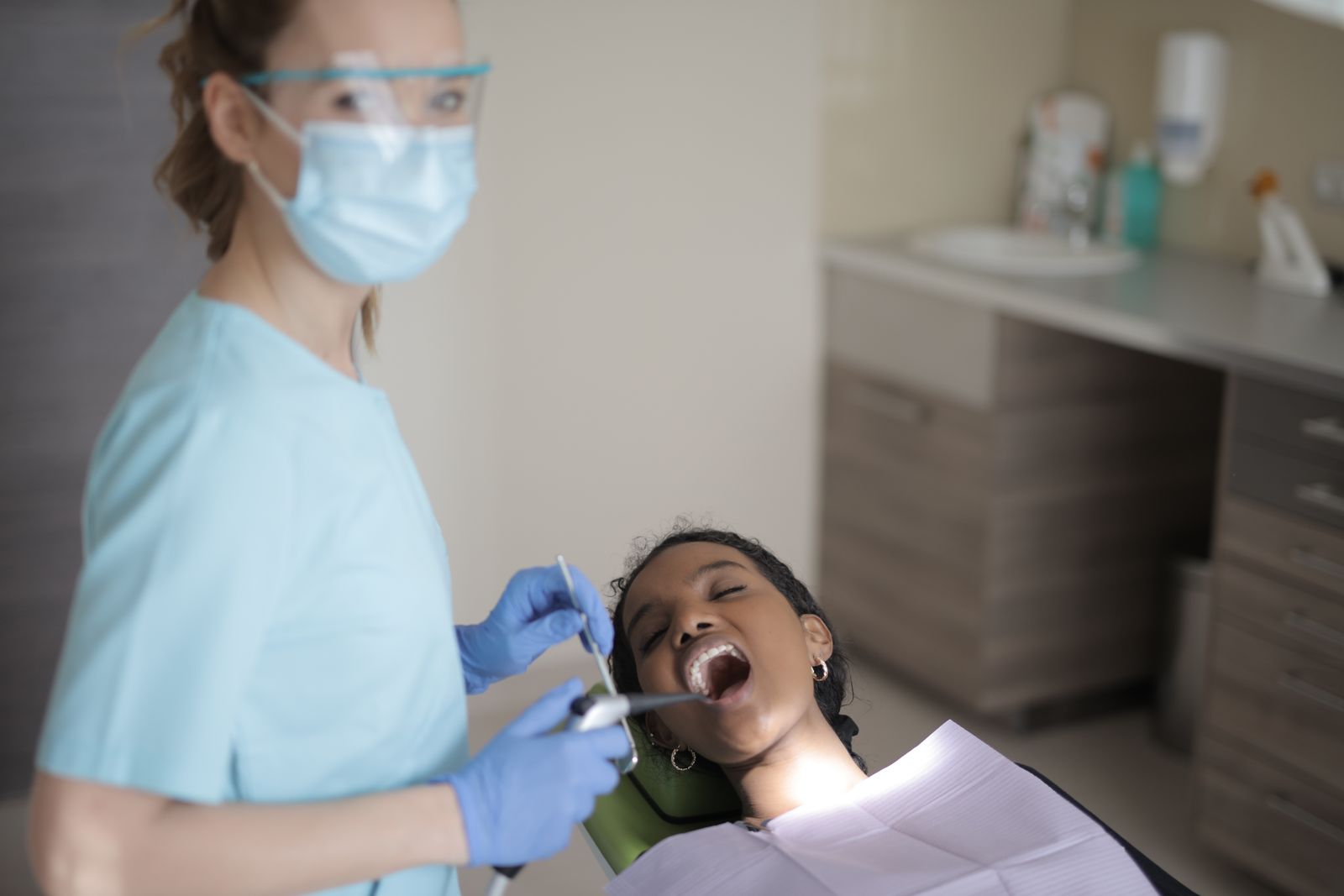
Most dental problems start quietly. A shallow cavity between two molars or early gum inflammation rarely hurts, which is exactly why a six-month visit matters. At Brightside, every checkup pairs a thorough cleaning with a doctor exam and an intraoral camera tour, so you see what we see on the ceiling screen above your chair.
We book a full 60 minutes for adult hygiene visits instead of squeezing you into 30. That extra time lets your hygienist work gently around sensitive areas, polish away coffee and tea stains, and talk through anything you have noticed at home.
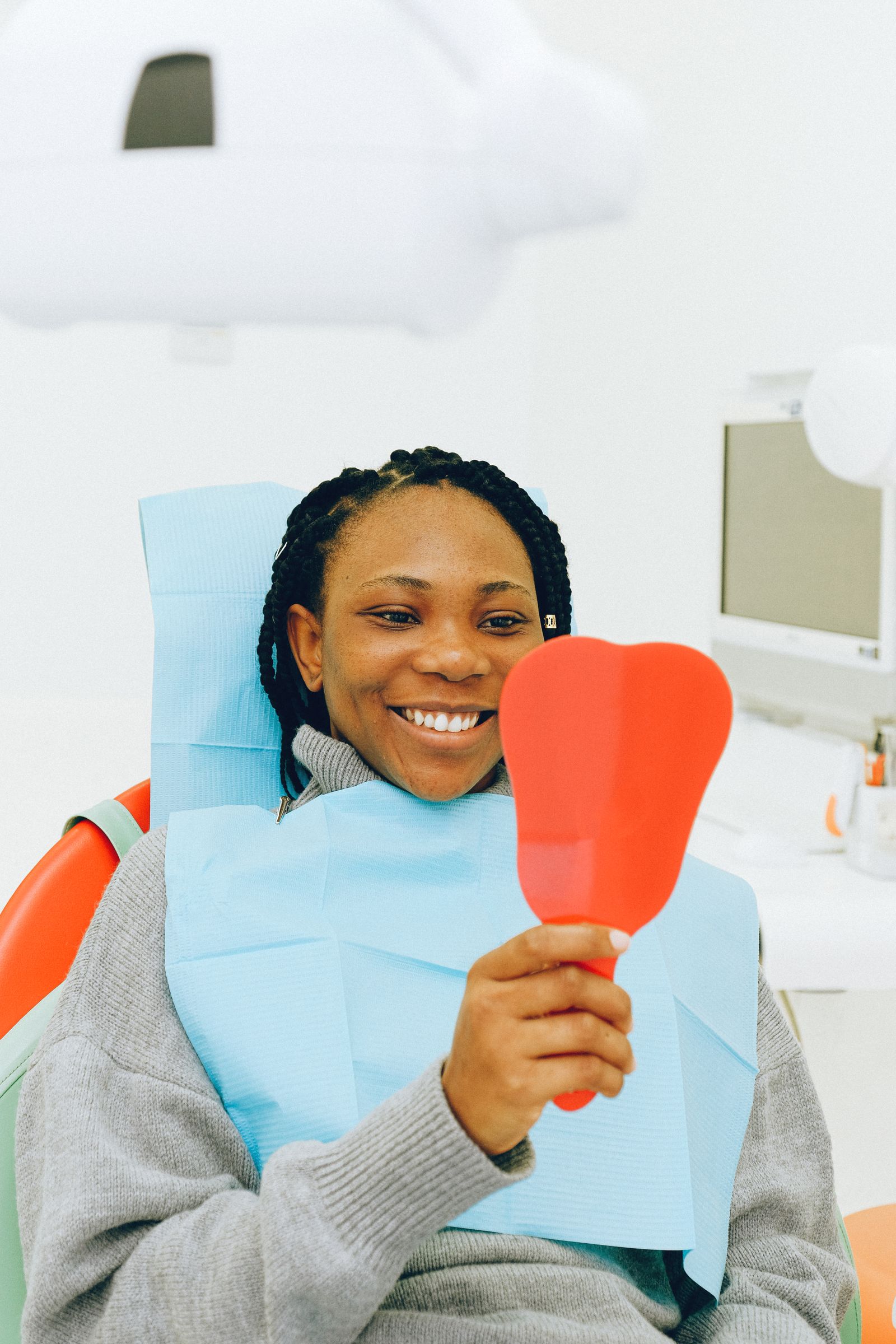 "If you understand what is happening in your mouth, you get to make the decisions. My job is to make that easy."Dr. Maya Okafor, DDS, FAGD
What is included
Everything listed here is part of the visit, not an add-on.
- Plaque and tartar removal with an ultrasonic scaler and hand instruments
- Polish and floss, with fluoride varnish on request
- Low-dose digital x-rays when due (usually once a year)
- Oral cancer screening of tongue, cheeks and throat
- Gum pocket measurements recorded in your chart
- Intraoral camera photos shown on the ceiling screen
- Doctor exam with a plain-language treatment summary
- Printed home care tips for your specific trouble spots
What to expect, start to finish
We explain each step before it happens, and you can pause at any time.
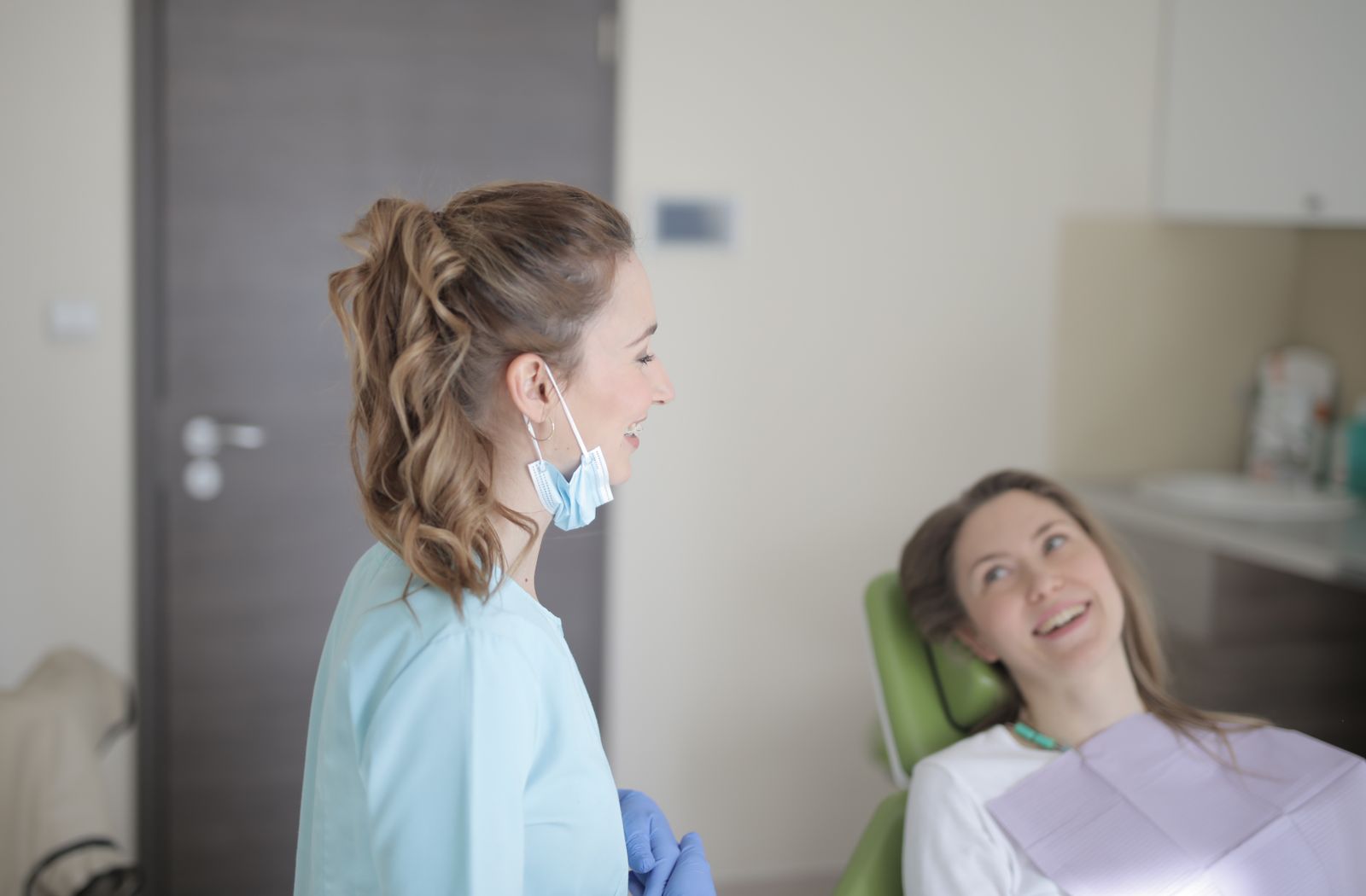
Check in and catch up
Your hygienist reviews medical history, medications and any sensitivity or concerns since your last visit.
Images and measurements
Digital x-rays and gum measurements give us a baseline we compare against every visit.
Gentle cleaning
Tartar comes off with warm-water ultrasonic tips, then polish and floss. Numbing gel is always available.
Doctor exam
A dentist checks every tooth, your bite and jaw joints, then walks you through photos on the screen.
Your plan
You leave with a clear summary: all good, watch list, or recommended care with cost estimates.
Why patients choose it
Catch cavities while they are tiny
Early decay can often be treated with a small filling or even fluoride instead of a crown.
Healthier gums
Regular cleanings reduce the bleeding and inflammation linked to gum disease.
Fresher breath
Removing tartar clears the bacteria that cause stubborn bad breath.
Lower lifetime costs
Preventive care is the least expensive dentistry you will ever buy.
Cost and what affects it
Figures are sample ranges for illustration. Your exact cost depends on your plan and the care you need, and we always share an estimate first.
Insurance, membership and financing- Adult exam, cleaning and x-raysUninsured new patients, sample price$89 new patient special
- Routine cleaning and examWithout insurance$165 to $210
- Deep cleaning per quadrantOnly when gum pockets require it$220 to $290
- With PPO insuranceMost plans cover two preventive visits a yearOften $0
Your daily oral care guide
Six-month visits do the deep work. These small daily habits do the rest. General guidance, not medical advice.

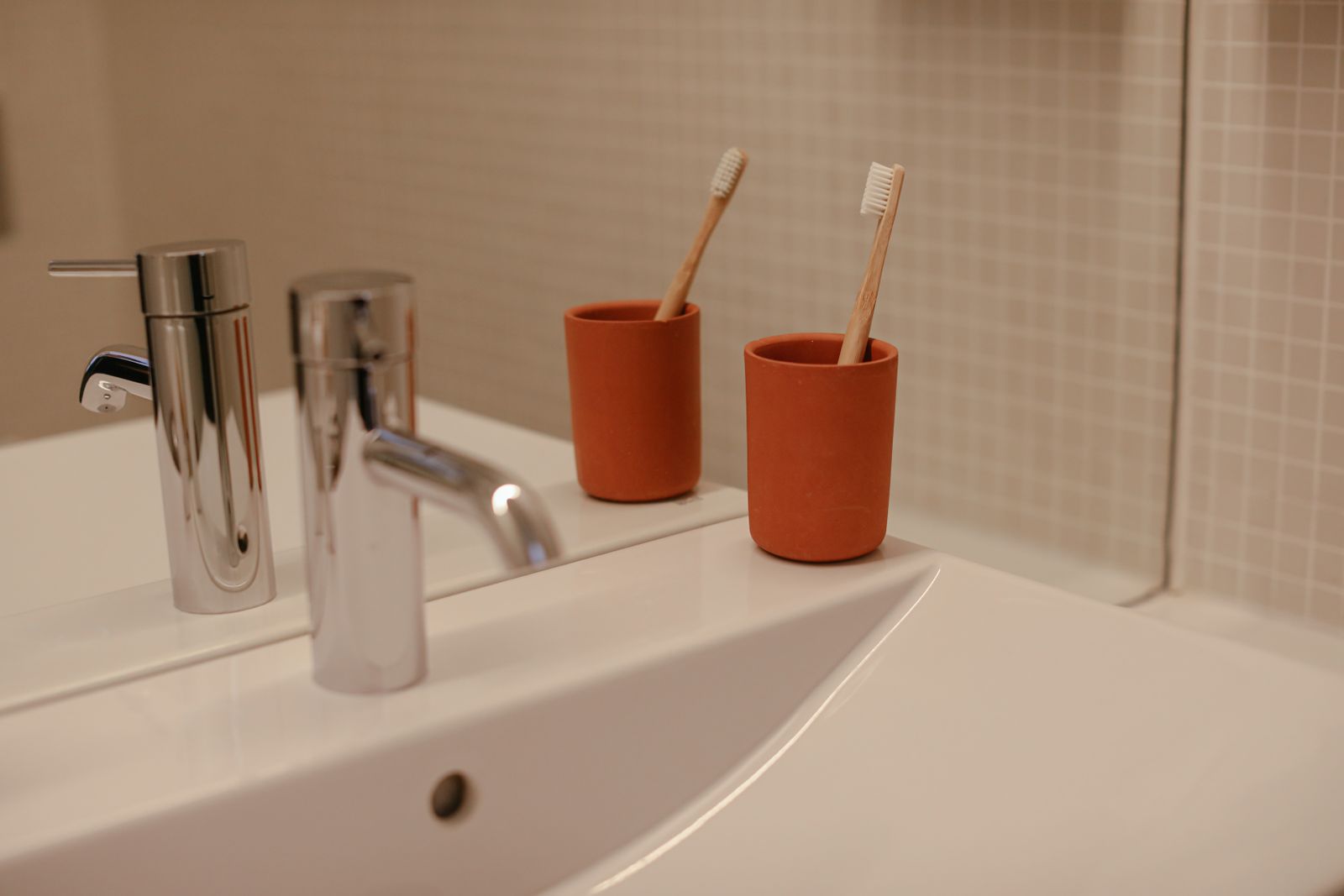
Twice a day, two full minutes, with a soft brush and a pea-size dab of fluoride toothpaste.
- Angle to the gumlineTilt bristles 45 degrees toward the gums, where plaque hides.
- Small gentle circlesShort strokes, one or two teeth at a time. Scrubbing hard wears gums away.
- Outside, inside, chewingWork in the same order every time so no surface gets skipped.
- Spit, do not rinseLeaving a little fluoride behind keeps protecting enamel overnight.
Swap your brush or electric head every 3 months, or after a cold.
Once a day, usually at night. Brushing misses about a third of each tooth's surface.
- Use about 18 inchesWrap most around your middle fingers and work with a clean section each time.
- Slide, do not snapEase the floss between teeth with a gentle sawing motion.
- Hug each tooth in a CCurve it around the tooth and glide up and down just under the gumline.
- Picks and water flossers countThe best tool is the one you will actually use every day.
A little bleeding in the first week is common and usually stops as gums get healthier.
What you eat matters, but how often you snack matters even more.
Smile-friendly
- Crunchy apples, carrots and celery
- Cheese, plain yogurt and milk
- Nuts, eggs and leafy greens
- Water after every meal and snack
Go easy on
- Sipping soda, juice or sweet coffee all day
- Sticky gummies, dried fruit and caramels
- Sour candy and energy drinks
- Chewing ice or hard candy
Enjoy treats with a meal instead of grazing, and wait 30 minutes to brush after acidic drinks.
From a patient
First dentist in 15 years that didn't make me feel judged. The hygienist explained everything and the ceiling TV helped a lot.
Related services
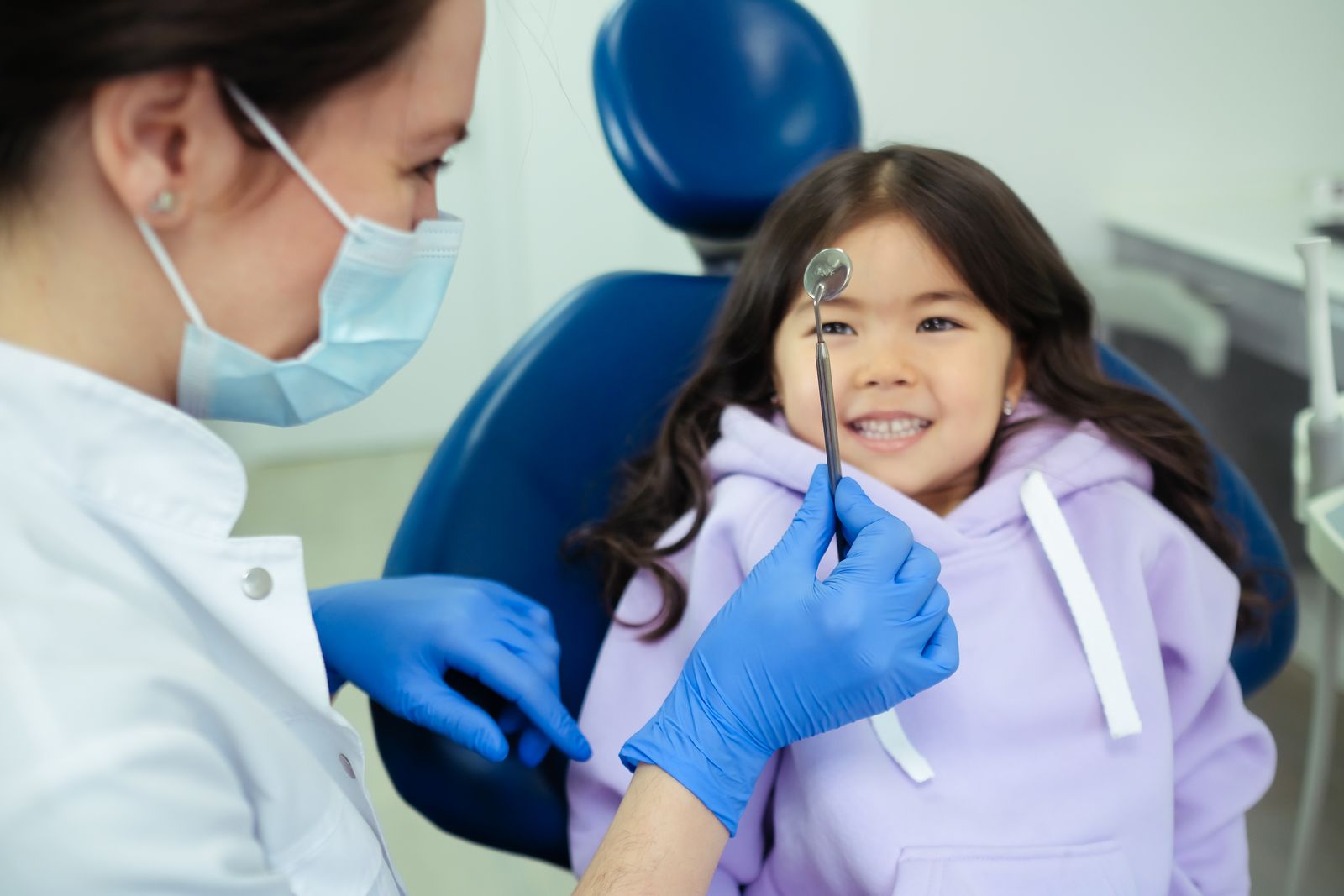 Pediatric dentistryPlayful, patient visits for kids from their first tooth, with sealants and fluoride.
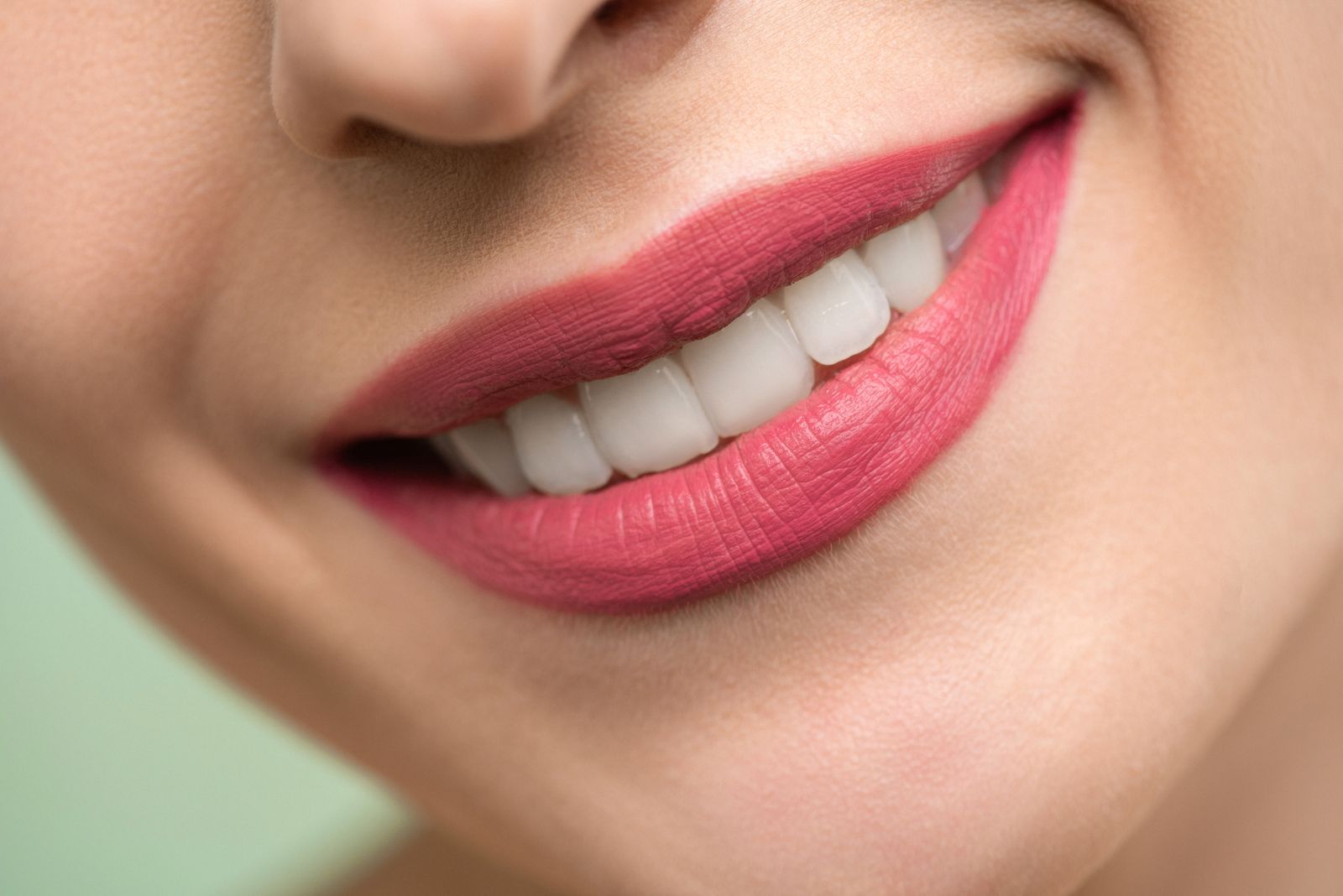 Teeth whiteningBrighten several shades with a 90-minute in-office session or custom take-home trays.
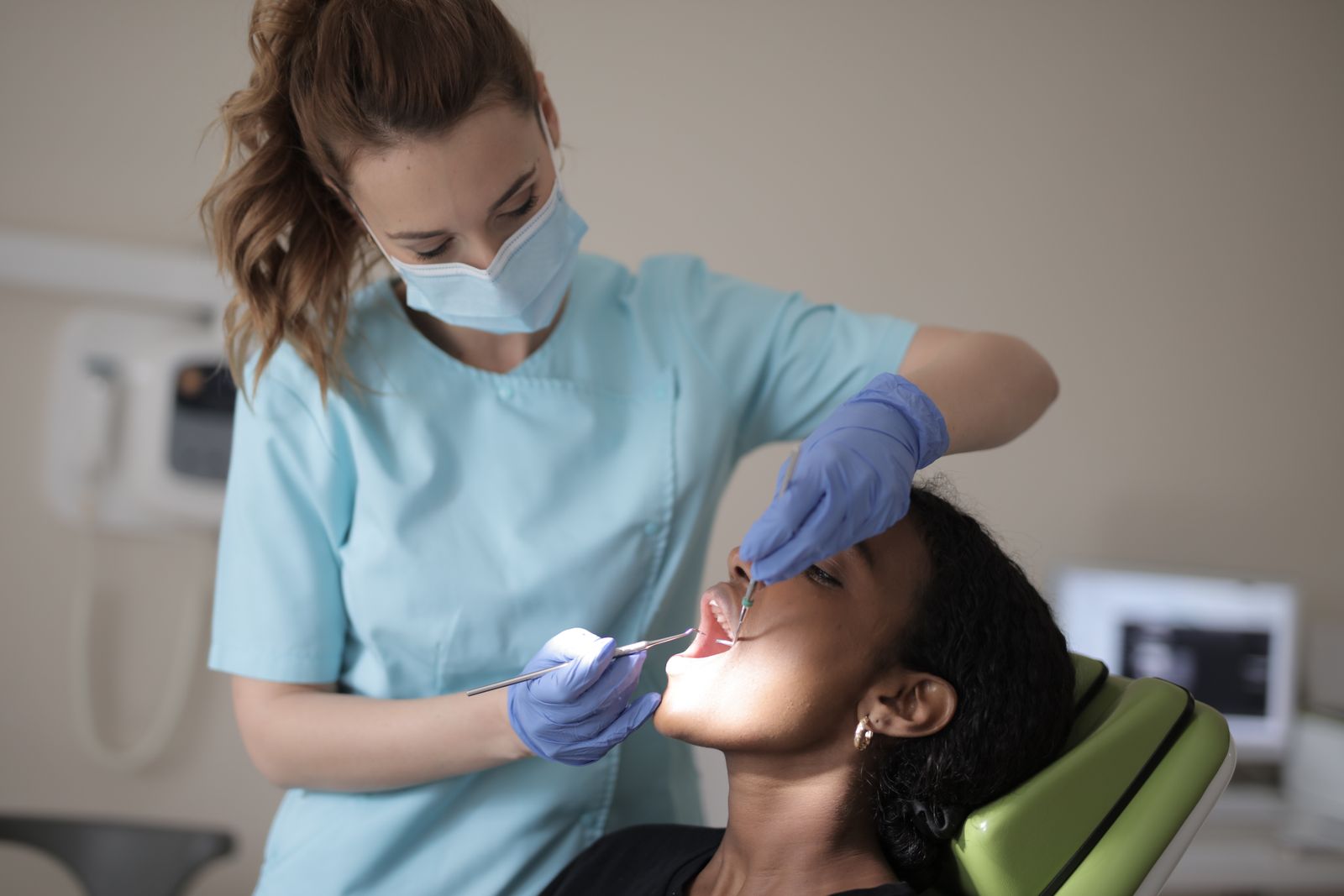 Crowns & root canalsRelieve infection and rebuild cracked or weak teeth with comfortable, modern care.
Checkups & cleanings FAQ
Have a different question? Call (614) 555-0111 and ask for our patient care team.
Most patients feel pressure and vibration, not pain. If you have sensitive spots, tell your hygienist and we will use numbing gel or slow down. Headphones and a warm blanket are on the comfort menu too.
For most healthy adults, bitewing x-rays once a year is plenty. We use digital sensors that need a fraction of the radiation of film, and we will never take images you do not need.
You are welcome here, and nobody will lecture you. We may split a heavy cleaning into two shorter visits so it stays comfortable.
Yes. Ask for a family block and we will schedule back-to-back visits so everyone is done in one trip.